First of all… what is whole-tailing?
Whole-tailing combines the two processes of wholesaling and flipping; hence its name (a combination of the words “wholesale” and “retail”). In a whole-tail deal the investor will get a property under contract at a discounted price, but instead of assigning the contract to another investor (wholesaling) or closing on the property with the intention of undertaking a full rehab (flipping), the investor will close on the property, make minor cosmetic improvements or repairs, and list for sale at or near its full market value.
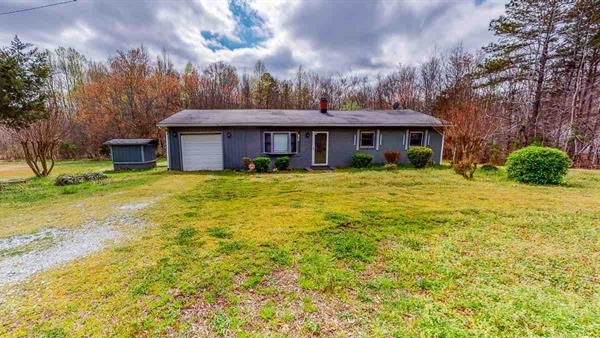
Our first two properties, Guy Avenue and Pearl Street, were both purchased with the intent to fully remodel then sell at the retail market price. Both of these properties were purchased at a discount due to the amount of repairs needed. Unlike those properties, the subject property in Rougemont didn’t need a ton of work in order to get full price on the open market. We hoped to close on the property, clean it out, make the necessary repairs, and list it within a few days. This was a unique and exciting exit strategy for us since it didn’t seem to require as much work as the other properties we’d purchased just months prior. If you read my last two blog posts (see Our First Flip House and Our Second Flip House), you’d know the amount of stress and anxiety we were feeling during the time. **Spoiler Alert – Rougemont was a win we didn’t quite know we needed back when we started this business in early 2020.
The Backstory
In addition to being the first wholetail property we purchased, it was also the first property we bought directly from the homeowner (opposed to purchasing from another real estate investor or wholesaler). The property was a secondary residence owned by a local couple who had been renting to their daughter. Eventually, the daughter moved out and the house sat vacant for years.
Why did the homeowner decide to sell to an investor?
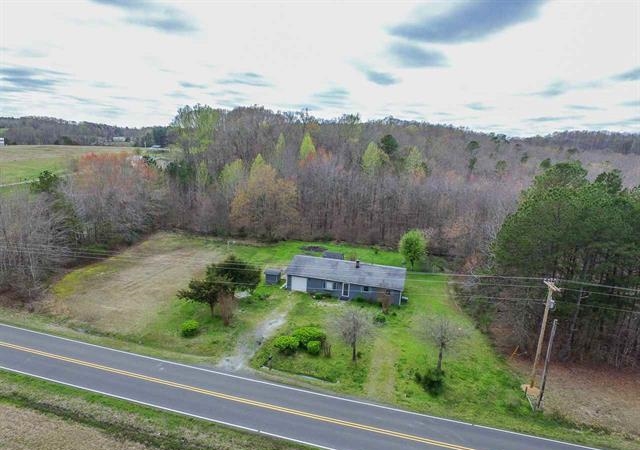
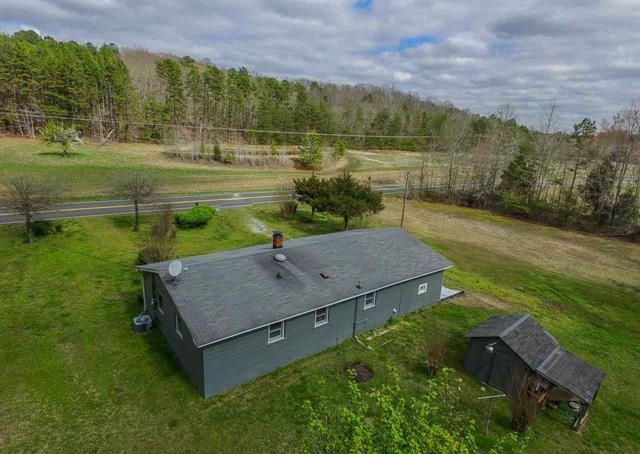
At some point during the time his daughter was staying at the house, the seller discovered issues with the septic system. Water was infiltrating the storage tank, which was causing major issues with the septic field (where waste water is dispersed). He reached out to the County, who sent out an inspector. After inspecting the septic system, the County informed the seller that the system was unrepairable. The house only sat on a ½ acre lot and had a small creek running across the back of the property. There wasn’t enough land to install a new septic field. The County suggested that the seller purchase land from one of his neighbors in order to provide enough space for a new septic field or to put in a state-of-the-art septic system specifically designed for smaller spaces. Neither of the neighbors were willing to sell him land and he didn’t want to spend the estimated $40K to install a special new system, so he decided that selling the property was his best option.
He initially reached out to a realtor in order to list the property on the market. When the realtor was making preparations to list the property, she stumbled upon the letter from the County attached to the deed stating the septic system could not be repaired and would have to be replaced. The realtor encouraged the seller to reach out to a “cash buyer” instead of trying to list the house with the septic issues.
What is a “cash buyer”?
Cash buyers, opposed to retail buyers, can purchase property outright with money they have at their disposal. The advantage to going with a cash buyer, besides the obvious (they can pay cash), is that they can typically close quickly and will handle repairs and closing costs. Cash buyers offer time and convenience for sellers with distressed situations. Although most cash buyers make discounted offers on properties, the advantage to distressed sellers is that they take on all the headaches (like installing a new septic system).
Buying the Property
We received the call early March 2020 from the seller in Rougemont. After a quick Google search to determine just where the heck Rougemont is located, my husband set an appointment to meet with the seller and do an assessment of the property. The seller explained the situation with the septic system and also some additional concerns with rain water leaking into the storage tank. He told us about the letter on file with the County and how much it would cost to remedy the issue. We were able to come to an agreement on the purchase price that allowed him to pay off the loan and put a little cash in his pocket. The price would also allow us to install a new septic system.
We closed on the purchase of the property at the end of March 2020. This was our first closing during Covid-19. We were the only closing scheduled at the office of the closing attorney. They shuffled us into an empty conference room where we signed our part of the paperwork, followed by a full Clorox cleaning, then had the sellers in to sign their documents. I remember thinking how odd the whole thing was but that was life in March of 2020. When the sellers came out of the conference room, they were both grinning from ear to ear. Mr. “Seller” even came over to shake both of our hands (which if you remember was definitely something people weren’t doing then). They were relieved to move on from the property and all the baggage that came with it. I think a handshake in March 2020 proves that as well as anything, wouldn’t you?
After the property closed, we spent several days in Roxboro meeting with inspectors, septic companies, and plumbing contractors. The County inspectors said even though the septic system couldn’t be repaired, they wouldn’t force the issue as long as it wasn’t affecting the surrounding area. Inspectors… am I right?! When we asked about the letter on file, they explained this was more for their records than anything else. We hired a private inspector to pump out the tank and do a full inspection of the system. She told us that the septic system was in great working condition and that she didn’t see any existing issues. She wrote us a letter to that effect, and we updated the file with the County. As it turned out, we didn’t have the replace the septic system after all. We were shocked! Funny where a little leg work and research will get you, if you’re just willing to put the time and effort in.
Selling the Property
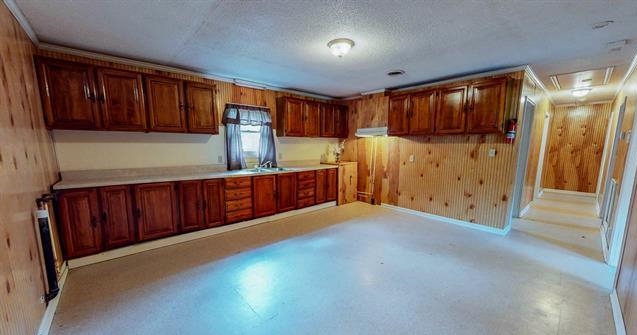
With the septic issue cleared up, we just needed to clean the house out and take photos for the listing. We listed the property soon after. Other than having the HVAC system stolen while the property was under contract, it was mostly smooth sailing. We ended up selling the property to a gentleman who was looking to escape the hustle and bustle of Durham.
We purchased the property for $48K & sold it shorty after for $95K. This ended up being a great purchase for us!


 Meredith Worrell
Nice work folks!
LikeLike
Great update, Meredith. Sure is fun following along with you guys in this journey.
LikeLike